Early childhood is one of the most critical stages in a child’s development. During these formative years, children build the cognitive, emotional, and social foundations that shape their future learning experiences. For families, navigating early education options can feel overwhelming, especially when choosing between programs that serve different age groups and developmental needs. This is where collaboration becomes essential.
When
private pre schools,
K-12 schools, and day care providers work together, they create a more cohesive and supportive learning journey for children. These partnerships help bridge developmental gaps, align expectations, and offer families a more seamless educational experience. Instead of functioning as separate systems, early learning providers can build connections that benefit children at every stage.
In many communities, families rely on multiple providers throughout a child’s early years. A child may begin in a nurturing care setting, transition into a structured preschool program, and later enter a more academically focused environment. Without coordination, these transitions can feel disjointed. However, when providers communicate and collaborate, they can reduce uncertainty and help children feel more secure. This sense of continuity is not only comforting but also essential for long-term success.
Why Collaboration Matters in Early Childhood Education
Children do not experience learning in isolated environments. Their development is shaped by a combination of home life, care settings, and educational institutions.
When private schools and early childhood providers operate independently, transitions between programs can be inconsistent or even disruptive.
Collaboration helps reduce these challenges. By aligning teaching philosophies, communication strategies, and developmental goals, educators can provide a smoother progression from one stage to the next. This ensures that a child entering a new school environment already has the skills, routines, and confidence needed to succeed.
In addition, consistent communication between providers allows for better tracking of developmental progress. When teachers and caregivers share observations, they can identify patterns and address concerns early. This proactive approach can make a meaningful difference in a child’s educational journey. Rather than waiting for issues to become more serious, educators can intervene at the first sign of difficulty.
Another important benefit is the ability to create shared expectations for behavior and learning. When children receive consistent messages across environments, they are more likely to develop positive habits and attitudes. This consistency supports both academic growth and emotional well-being.
Building Strong Bridges Between Early Learning Programs
Effective partnerships do not happen by chance. They require intentional planning, open communication, and a shared commitment to child development. When a
private elementary school collaborates with nearby early childhood providers, both institutions benefit from a clearer understanding of student readiness.
For example, teachers from both settings can meet regularly to discuss curriculum expectations and developmental milestones. These conversations help ensure that children are being prepared for the academic and social demands they will face in later grades. Educators can also share teaching strategies that have proven effective, creating a more unified approach to instruction.
Infant daycares play a crucial role in laying the groundwork for early learning. By coordinating with preschools, caregivers can begin introducing foundational skills such as communication, motor development, and social interaction in ways that align with future expectations.
These early experiences matter more than many realize. The habits and skills developed during infancy and toddlerhood often carry into later stages of education. When caregivers understand the expectations of future programs, they can better prepare children for what lies ahead.
Partnerships can also include joint events such as open houses, transition days, or parent education sessions. These opportunities allow families to become familiar with the next stage of their child’s journey, reducing anxiety and building trust.
Aligning Curriculum for a Seamless Transition
One of the most effective ways to support early childhood development is through curriculum alignment. When educational programs share a common framework, children experience a natural progression in learning rather than abrupt shifts in expectations.
In many cases, early childhood providers focus on play-based learning, while later programs introduce more structured academic content. By working together, educators can create a gradual transition that respects both approaches.
For instance, teachers in early programs might begin incorporating simple routines that mirror those found in later classrooms. At the same time, elementary educators can adopt developmentally appropriate teaching methods that build on what children have already learned.
Curriculum alignment also supports skill reinforcement. When concepts are introduced in one setting and expanded in another, children have more opportunities to practice and master new abilities. This repetition strengthens understanding and builds confidence.
Another advantage is the ability to tailor instruction to meet individual needs. When educators share information, they can adjust their approaches based on each child’s strengths and challenges. This level of personalization is difficult to achieve without collaboration.
Supporting Families Through Every Stage
Families are a central part of any child’s educational journey. When early learning providers collaborate, they can offer parents clearer guidance and more consistent support.
Parents often struggle to understand how different programs connect or what to expect as their child grows. By working together, educators can provide unified messaging about developmental milestones, readiness, and long-term goals.
This is particularly important when transitions involve multiple settings. For example, a child moving from care into a preschool program and later into elementary grades benefits from continuity in expectations and communication.
When challenges arise, tools such as
family mediation can help resolve concerns in a constructive way. This approach encourages open dialogue between parents and educators, ensuring that decisions are made in the best interest of the child.
Providing resources such as workshops, newsletters, and one-on-one consultations can further support families. When parents feel informed and involved, they are better equipped to reinforce learning at home. This partnership between families and educators creates a strong support system for children.
Addressing Diverse Learning Needs Early
Every child develops at their own pace, and early identification of learning differences is key to long-term success. Collaborative partnerships make it easier to recognize and address these differences before they become more significant challenges.
Educators who share observations across programs can identify patterns that may not be visible in a single setting. This is especially important when navigating requirements related to
special education law, which outlines the rights and services available to students with diverse needs.
By working together, early childhood providers and schools can ensure that children receive appropriate support as early as possible. This might include individualized learning plans, specialized instruction, or additional resources tailored to each child.
Early intervention not only improves outcomes but also helps build confidence and a positive attitude toward learning. When children receive the support they need, they are more likely to engage actively in their education.
Collaboration also helps reduce stigma. When support services are integrated into everyday learning environments, children and families are more likely to view them as a normal part of education rather than something separate.
Creating Consistent Social and Emotional Support
Academic readiness is only one part of early childhood development. Social and emotional skills play an equally important role in a child’s ability to thrive in a structured environment.
When early learning providers collaborate, they can create consistent expectations around behavior, communication, and emotional regulation. This consistency helps children feel more secure as they move between different settings.
For example, caregivers and teachers might use similar strategies for encouraging cooperation, managing transitions, or resolving conflicts. These shared approaches reinforce learning and make it easier for children to adapt.
Strong social-emotional foundations also contribute to better relationships with peers and teachers. Children who feel confident and supported are more likely to participate actively and take on new challenges.
In addition, consistent support can help children develop resilience. When they encounter difficulties, they are better equipped to manage their emotions and seek help when needed.
Professional Development and Shared Expertise
Partnerships between educational providers also benefit the professionals involved. Teachers and caregivers gain valuable insights by working with colleagues from different settings.
Joint training sessions, workshops, and collaborative planning meetings allow educators to share best practices and learn from one another. This exchange of knowledge leads to more effective teaching strategies and improved outcomes for children.
For example, early childhood providers may offer expertise in play-based learning and developmental milestones, while elementary educators can provide insights into academic readiness and long-term expectations.
Ongoing professional development ensures that educators stay informed about the latest research and techniques. This commitment to learning enhances the quality of education across all programs.
Collaboration also fosters a sense of community among educators. When professionals feel supported and connected, they are more likely to remain engaged and motivated in their work.
Strengthening Community Connections
Collaboration between early learning providers extends beyond individual institutions. It also helps build stronger communities by creating networks of support for families.
When providers work together, they can share resources, coordinate events, and create opportunities for families to engage with multiple programs. This sense of connection makes it easier for parents to navigate the educational landscape and feel confident in their choices.
Community partnerships also open the door to shared initiatives, such as literacy programs, parent workshops, and early intervention services. These efforts benefit not only individual families but the community as a whole.
In many cases, these partnerships lead to long-term relationships that continue as children grow. Families who feel connected to their community are more likely to stay involved in their child’s education. Over time, this involvement contributes to stronger outcomes, both academically and socially, as children benefit from a consistent network of encouragement and support.
Strong community ties can also improve access to resources that might otherwise be difficult for individual programs to provide on their own. Shared facilities, volunteer networks, and local partnerships can expand opportunities for children and families alike, creating a more inclusive and supportive environment for early learning.
Funding Growth Through Creative Collaboration
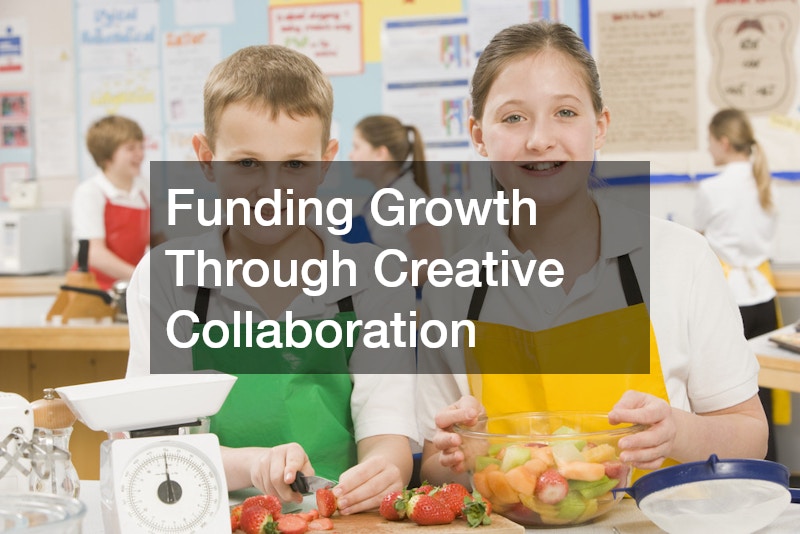
Sustaining high-quality early education programs often requires additional resources. Collaborative partnerships can open new opportunities for funding and support.
One effective approach is organizing
profitable fundraisers that involve multiple programs. By working together, providers can reach a larger audience and generate greater community interest.
These events might include family-friendly activities, educational workshops, or community celebrations that highlight the importance of early childhood development. In addition to raising funds, they also strengthen relationships between families and educators.
Shared fundraising efforts can support improvements such as classroom materials, professional development, and expanded services. These investments enhance the overall learning environment and benefit children directly.
In some cases, collaborative fundraising can also attract local business sponsorships or community grants. When organizations present a united effort, they often gain more visibility and credibility, which can lead to increased support from outside partners.
Over time, these funding efforts can help programs grow in sustainable ways. Whether it involves expanding enrollment, upgrading facilities, or introducing new educational tools, consistent financial support plays a key role in maintaining quality and accessibility.
Take the Next Step Toward Stronger Early Education Partnerships
Building meaningful partnerships between early learning providers requires commitment, communication, and a shared vision for success. When private preschools, k-12 schools, and day care programs work together, they create a foundation that supports children at every stage of development.
Educators, administrators, and community leaders are encouraged to explore opportunities for collaboration within their own communities. By starting conversations, sharing resources, and aligning goals, they can create a more connected and effective system of early education.
Families also play an important role in this process. By seeking out programs that value collaboration and communication, parents can help ensure that their children receive a consistent and supportive learning experience.
Now is the time to invest in partnerships that make a lasting difference. Strong connections between early learning providers not only benefit individual children but also contribute to healthier, more resilient communities. Taking the first step may be as simple as reaching out to a neighboring program, scheduling a meeting, or exploring shared initiatives that support early childhood development. Even small efforts can lead to meaningful change when they are guided by a shared commitment to helping children grow and succeed. Consistent collaboration today can shape stronger educational outcomes for years to come.