
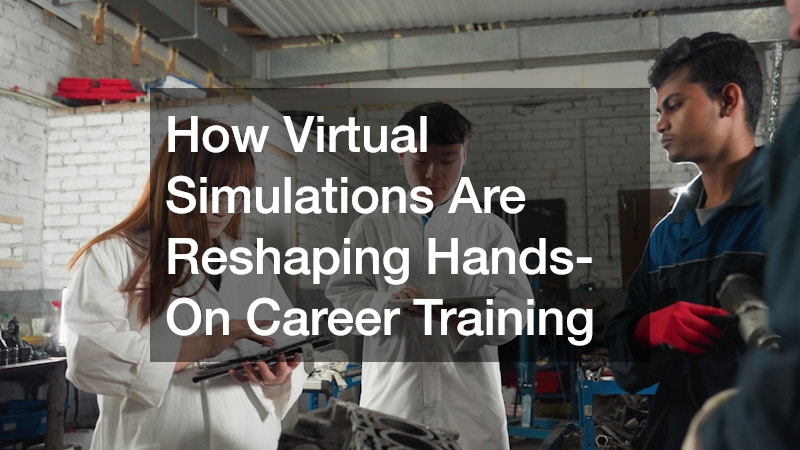
Choosing a career path often means weighing the cost of training against the real-world skills you will actually walk away with. Virtual simulations are changing that equation by letting students practice high-stakes tasks in a safe, repeatable digital environment before ever touching real equipment or working with real people. Whether you are considering a trade, a healthcare role, or a classroom-based profession, understanding how simulation-based training works can help you pick a program that truly prepares you for the job. This article breaks down where virtual simulation is making the biggest impact and what to look for as you research your options.
Simulation Technology in Skilled Trade Training
Skilled trades have traditionally relied on expensive equipment, limited lab time, and close supervision to teach students how to weld, wire, or repair machinery safely. Virtual simulation platforms now let students practice these exact motions using haptic feedback tools and 3D modeling, so mistakes become learning moments instead of costly accidents. This approach also allows programs to serve more students at once, since a single simulation lab can rotate learners through scenarios that would otherwise require dedicated physical stations.
Beyond cost savings, simulation gives instructors detailed data on a student’s technique, such as hand positioning, timing, and pressure applied during a task. That kind of measurable feedback was nearly impossible to capture consistently in a traditional shop setting.
- Welding simulators that track arc angle and travel speed in real time
- Electrical wiring modules that flag unsafe connections before they happen
- HVAC diagnostic scenarios that simulate rare equipment failures
- Automotive repair simulations that let students practice on virtual engines repeatedly
Cosmetology and Personal Care Skill Practice
Personal care fields require precise hand skills combined with an understanding of client comfort and safety, which makes them a natural fit for simulation-based practice. Many esthetician schools now incorporate virtual modules that let students study skin conditions, practice consultation conversations, and rehearse treatment sequences before working on a live client. This reduces the anxiety that often comes with early hands-on sessions and helps students build confidence in a lower-pressure setting.
Simulations in this field often include interactive skin mapping tools that show how a treatment might react on different skin types, giving students exposure to scenarios they might not otherwise see during limited clinic hours. This kind of varied practice helps graduates enter the workforce with a broader sense of what to expect from real clients.
- Virtual skin analysis tools for identifying conditions like rosacea or hyperpigmentation
- Interactive client consultation scripts for building communication skills
- Product application walkthroughs that simulate texture and technique
- Sanitation and safety protocol quizzes tied to realistic scenarios
Health Care Clinical Simulation Labs
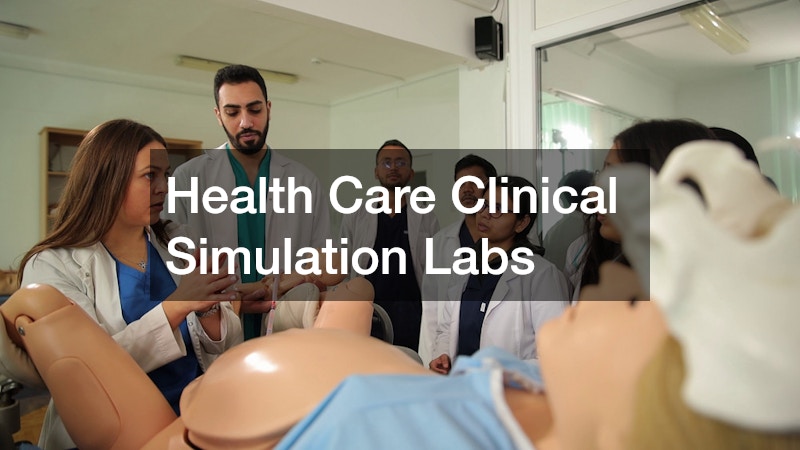
Few fields have embraced simulation as thoroughly as health care, where the stakes of a mistake can be extremely high. Many nursing programs now use mannequin-based simulators that can mimic vital signs, speak simulated symptoms, and even respond to medication in real time, giving students a realistic preview of emergency situations. This lets learners practice decision-making under pressure without putting an actual patient at risk.
These labs are often paired with debriefing sessions where instructors review recorded footage of a student’s response, pointing out moments where communication or technique could improve. That combination of realistic practice and structured feedback has become a standard expectation for accredited clinical training.
- High-fidelity mannequins that simulate breathing, heart rate, and blood pressure changes
- Virtual reality modules for practicing IV insertion or wound care
- Scenario-based decision training for emergency response situations
- Recorded debriefs that help students self-assess their clinical judgment
Classroom Management Practice for Future Educators
Teaching programs have started using simulation to prepare future educators for the unpredictability of a real classroom, something that traditional student teaching alone cannot fully cover. Virtual classroom platforms use avatar students who can act out common behavioral situations, giving trainee teachers a chance to practice de-escalation and instructional pacing. This is especially valuable for those hoping to work in smaller, more personalized settings such as private elementary schools, where teachers often need to adapt quickly to individual student needs.
These simulated classrooms also let new teachers experiment with different teaching styles without the fear of disrupting an actual lesson plan. Over multiple sessions, students can see how small changes in tone or approach affect a simulated classroom’s engagement level, which builds intuition they can carry into a real position.
- Avatar-based classroom scenarios for practicing behavior management
- Lesson pacing tools that simulate student attention spans
- Parent-teacher conference role-play modules
- Feedback reports highlighting strengths and areas for improvement
Cost and Time Advantages of Simulation-Based Programs
One of the most practical benefits of virtual simulation is how it changes the financial and scheduling burden of hands-on training. Physical labs require ongoing investment in materials, equipment maintenance, and supervision, all of which can drive up tuition costs that get passed on to students. Simulation reduces some of that overhead, which in some cases allows programs to offer more flexible schedules or lower lab fees.
Time efficiency is another major factor, since students can often complete simulation modules outside of scheduled lab hours, repeating difficult scenarios as many times as needed. This self-paced repetition tends to build competency faster than waiting for limited in-person lab slots.
- Reduced material and equipment costs passed on to students
- More flexible scheduling options for working learners
- Unlimited repetition of difficult skills without added expense
- Fewer geographic barriers, since some simulation work can be done remotely
Evaluating a Program’s Simulation Quality Before Enrolling
Not all simulation tools are created equal, and it is worth digging into the specifics before committing to a training program. Ask how often the simulation software is updated, since outdated technology can teach habits that do not match current industry standards. It also helps to find out whether simulation time supplements real hands-on practice or attempts to replace it entirely, since a healthy program should balance both.
Talking to recent graduates or current students can reveal a lot about how well the simulation training translated into real job readiness. Look for programs that are transparent about their pass rates, certification outcomes, and the amount of actual physical practice included alongside virtual coursework.
- Ask about the age and update frequency of simulation software
- Confirm how simulation time is balanced with in-person practice
- Request data on graduate certification and job placement rates
- Read reviews or talk to alumni about real-world preparedness
Virtual simulation has genuinely changed what hands-on training can look like, offering safer practice, better feedback, and often lower costs across a wide range of careers. As you research programs, take time to ask specific questions about how simulation tools are used and how they connect to real-world skill building. The right program will treat simulation as a bridge to practical experience, not a replacement for it. With that understanding in hand, you can move forward and choose a training path that sets you up for genuine confidence on the job.
