
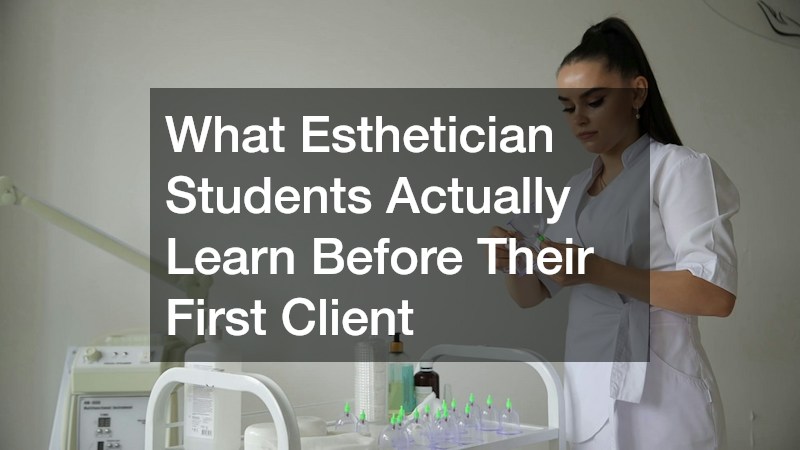
Before an esthetician ever touches a client’s face, they spend months building a foundation of science, safety, and hands-on skill that most people never see. If you’re considering booking a facial or thinking about a career switch yourself, understanding what happens in training can help you trust the process and set realistic expectations.
This guide walks through the core lessons every student masters, from skin biology to sanitation protocols, before they’re allowed near a paying customer.
Skin Anatomy and Physiology Basics
Long before students learn to perform a single treatment, they study the structure and function of skin in real depth. This includes the layers of the epidermis and dermis, how skin regenerates, and what factors influence aging, pigmentation, and sensitivity. Understanding this science allows future estheticians to recognize normal variations versus conditions that require a dermatologist’s attention.
Students also learn to identify different skin types and common conditions they’ll encounter regularly. This knowledge becomes the basis for every recommendation they make later, from product selection to treatment frequency.
- The five basic skin types: normal, dry, oily, combination, and sensitive
- Common concerns like rosacea, acne, hyperpigmentation, and eczema
- How hormones, diet, and environment affect skin behavior
- The difference between a cosmetic concern and a medical one requiring referral
Sanitation and Infection Control Standards
Every state requires estheticians to master strict sanitation protocols before they can work on clients, and this training often takes up a significant portion of early coursework. Students learn how to properly disinfect tools, sanitize workstations, and dispose of single-use items to prevent cross-contamination. These standards exist because skin services involve direct contact with a client’s body, sometimes including minor abrasions or extractions.
Instructors typically require students to demonstrate these procedures repeatedly until they become second nature. Practical exams often include a sanitation component, and failing to meet these standards can prevent a student from advancing to hands-on client work at all.
- Proper use of hospital-grade disinfectants and EPA-registered products
- Correct handling and storage of linens, tools, and disposable materials
- Handwashing protocols before and after every service
- State board requirements for clean treatment room setup
Facial Treatment Techniques and Product Knowledge
Once the science is covered, students move into learning the actual mechanics of a facial, including cleansing, exfoliation, extractions, and mask application. They practice on mannequins and then on each other, refining pressure, timing, and technique before ever working with the public. This stage also introduces them to professional-grade skincare lines and how ingredients like retinol, salicylic acid, and hyaluronic acid function on the skin.
Many programs partner with product brands so students get hands-on exposure to formulations they may use professionally later. This is also when students start learning how to customize a treatment plan based on what they observe during a skin consultation rather than following a rigid script.
- Manual and chemical exfoliation methods
- Safe extraction techniques to avoid scarring or irritation
- Layering products in the correct order for maximum benefit
- Reading ingredient labels to identify potential allergens or irritants
Hair Removal and Waxing Fundamentals
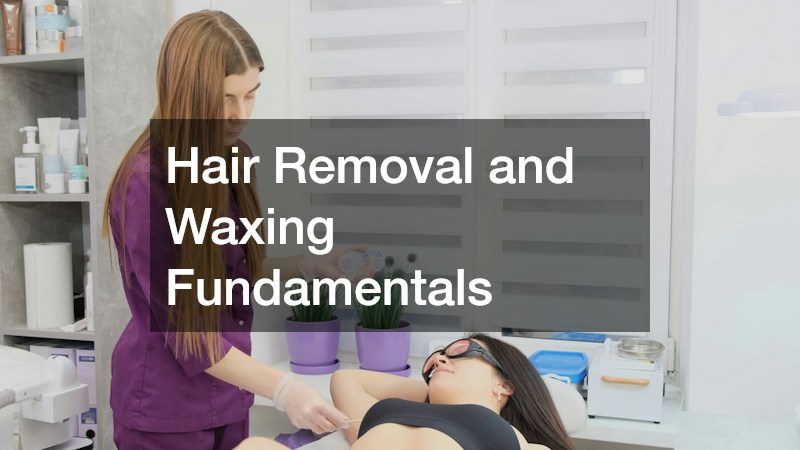
Waxing is one of the most requested services in a spa or salon, so students spend considerable time practicing hard wax and soft wax application on various body areas. They learn how to test wax temperature, work with hair growth direction, and manage client comfort throughout the process. Missteps here can cause burns or skin lifting, so instructors emphasize careful supervision until technique is consistent.
Beyond the physical technique, students learn how to assess whether a client is a good candidate for waxing at all. This includes screening for medications like retinoids that thin the skin and increase the risk of tearing or irritation.
- Proper wax temperature testing before application
- Techniques for sensitive areas like eyebrows and lips
- Aftercare instructions to prevent ingrown hairs and irritation
- Recognizing contraindications such as recent sunburn or active breakouts
Client Consultation and Communication Skills
Technical skill only goes so far if a student can’t communicate effectively with a client, so most programs dedicate time to consultation practice. This involves learning how to ask about medical history, allergies, and skincare goals without making the intake feel like an interrogation. Students also practice setting realistic expectations, since not every skin concern can be resolved in a single visit.
This is often where students first grasp the business side of esthetics, including how to build trust and encourage repeat visits through honest, personalized recommendations. Many esthetician schools weave this training into mock client sessions well before students touch a real paying customer, giving them a low-pressure environment to build confidence. These simulated consultations help smooth out nervous habits and awkward phrasing before the stakes are real.
- Structuring an intake form that captures relevant medical history
- Asking open-ended questions to understand client goals
- Explaining treatment plans in plain, non-technical language
- Handling difficult conversations, like recommending against a requested service
State Licensing Exam Preparation
Before graduation, students must prepare for a licensing exam that typically includes both written and practical components. The written portion tests knowledge of anatomy, sanitation law, and safety procedures, while the practical portion requires demonstrating actual techniques under observation. Programs usually build in dedicated review time and mock exams to help students feel prepared for both formats.
Passing this exam is non-negotiable in every state, and it’s the final checkpoint before someone can legally call themselves a licensed esthetician. Students often describe this stretch of training as the most intense, since it consolidates everything learned into a single high-stakes assessment.
- Written exams covering theory, safety, and state regulations
- Practical demonstrations of sanitation and treatment techniques
- Mock board exams to simulate testing conditions
- State-specific requirements that vary in hours and content
Conclusion
Understanding this training process reveals just how much preparation goes into a service that might only take an hour of your time. Whether you’re choosing a provider for your next facial or considering this career path yourself, knowing these fundamentals helps you ask better questions and set fair expectations. The next step is simple: look into accredited programs or licensed professionals in your area and see how their training aligns with what you now know to expect.
